A tree adds shade, curb appeal, and character to your property, but if it starts to fail, it may put your home, driveway, and people at risk. Some signs are easy to notice, such as large dead branches, deep trunk cracks, or a sudden lean.
Others show up around the base of the tree, including fungi growth, damaged roots, or roots pushing into foundations, pipes, and pavement. In many cases, a tree with severe pest activity, major cavities, or more than 50% damage is already dead or dying and may need to be removed.
By identifying problems early, you can protect your property during storms or high winds. Next, let’s explore the typical indicators that suggest it may be time to remove a tree.
Common Signs a Tree May Need To Be Removed
Sudden Lean
A sudden lean is one of the most serious indicators. Trees naturally grow at slight angles, but if a tree begins leaning quickly or noticeably after a storm, it may indicate that the root system is failing. This makes the tree unstable and prone to falling.
Substantial Deadwood
Another common sign is substantial deadwood. Large, brittle branches without leaves, especially during the growing season, signal that parts of the tree are no longer alive. These branches can break off without warning, posing a hazard.
Deep cracks, Cavities, or Hollow sections
often means the tree has structural weakness. If more than half of the trunk is damaged, the tree may no longer be able to support itself.
Root Damage
At ground level, root damage is another red flag. This includes roots that are lifting pavement, damaging foundations, or invading underground pipes. When roots are exposed, broken, or decaying, the tree’s stability is also weakened.
Pest Infestations
Severe pest infestations or signs of disease, like peeling bark, unusual leaf loss, or discoloration may mean the tree is dying. When more than 50% of the tree is damaged, removal is often the safest option.
Too Close to Structures or Power Lines
A tree’s location is an important factor when deciding if removal is necessary. Even a healthy-looking tree can cause problems when it grows too close to buildings or utility lines.
How Dead or Dying Trees Affect Property Safety
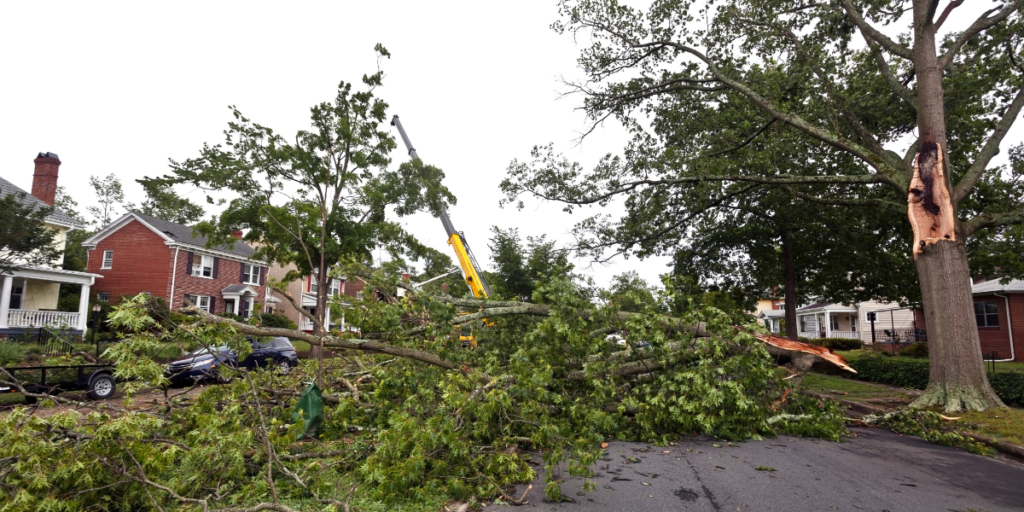
A dead or diseased tree is not just unattractive; it is dangerous. It can pose a real safety risk. As the tree continues to weaken, it becomes less able to handle strong winds, heavy rain, and other outdoor conditions.
A major concern is the risk of falling branches. Dead limbs can snap without warning, particularly during storms, and may strike your roof, vehicle, fence, or other areas of your property.
In more severe cases, the entire tree can fall unexpectedly. When a weakened tree stands close to a home, driveway, walkway, or outdoor area, it can pose a danger to property and people.
Should You Remove a Tree Yourself or Call a Professional?
Small trees in open spaces may be manageable with the right tools and experience. However, larger trees or those near homes, fences, or power lines require careful planning and specialized equipment.
DIY removal can lead to serious injury, property damage, or improper cutting techniques that make the situation worse. Falling branches, unstable trunks, and unpredictable movement make tree removal dangerous without proper training.
Hiring a professional ensures the job is done safely and efficiently. Tree service experts have the equipment and knowledge to handle difficult removals, including cutting in sections and controlling the direction of the fall.
Why Professional Tree Inspection Matters Before Removal
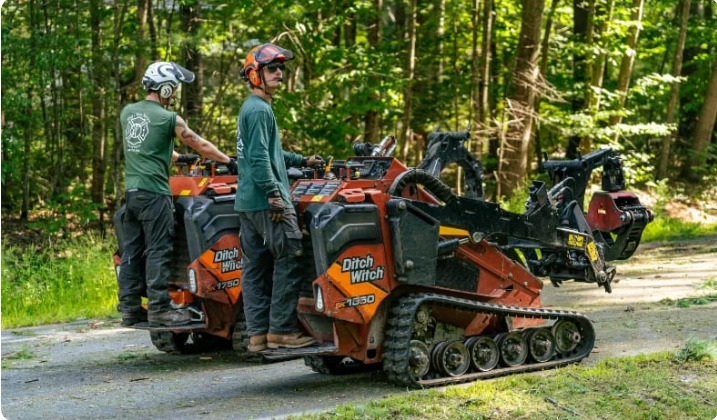
Before deciding to remove a tree, a professional inspection can provide clarity. Not every damaged or unhealthy tree needs to be removed immediately and an expert can also help determine the best time to remove a tree based on its condition, location, and level of risk.
A qualified professional can evaluate the tree’s overall condition, structural stability, and root health. They can also spot problems that may not be obvious at first glance, including internal decay or disease in its early stages.
A professional inspection also helps measure how serious the issue is. In some cases, a tree with limited damage may only need pruning. In others, severe structural problems may make removal the safer option.
They can also guide you toward the safest and most practical solution, whether that involves trimming, full removal, or continued care. This helps you make a sound decision based on the tree’s true condition rather than relying solely on surface-level signs.
Generally
Knowing when a tree should be removed starts with spotting problems early and understanding the risks involved. Issues such as leaning trunks, dead limbs, root damage, and visible decay threaten your home, nearby structures, and safety.
Even a healthy-looking tree can cause problems when it grows too close to your home or near power lines.
Although some tree issues may look manageable, removal is not always a simple job. Without the proper tools, training, and experience, the risks can increase quickly.
That is why it is wise to have the tree evaluated by a professional before making a decision. Reach out to a certified tree care expert to schedule an inspection and help protect the safety, condition, and value of your property.
For expert help and reliable tree removal services, visit Phil’s Tree. Contact Us today for trusted solutions tailored to your property.